MOT
In a few months, our car is due for its MOT again. The MOT (or roadworthiness test) makes sure your car is safe to drive. It’s a legal requirement for vehicles past a certain age. When you buy a car, you know you need to set money aside for necessary maintenance. If you don’t, you inevitably risk the costs of repairs piling up. What’s more, the odds of your car actually passing its MOT drop as well. Without a valid MOT, you’re not allowed on the road. Pretty inconvenient if you depend on your car for work, for example.
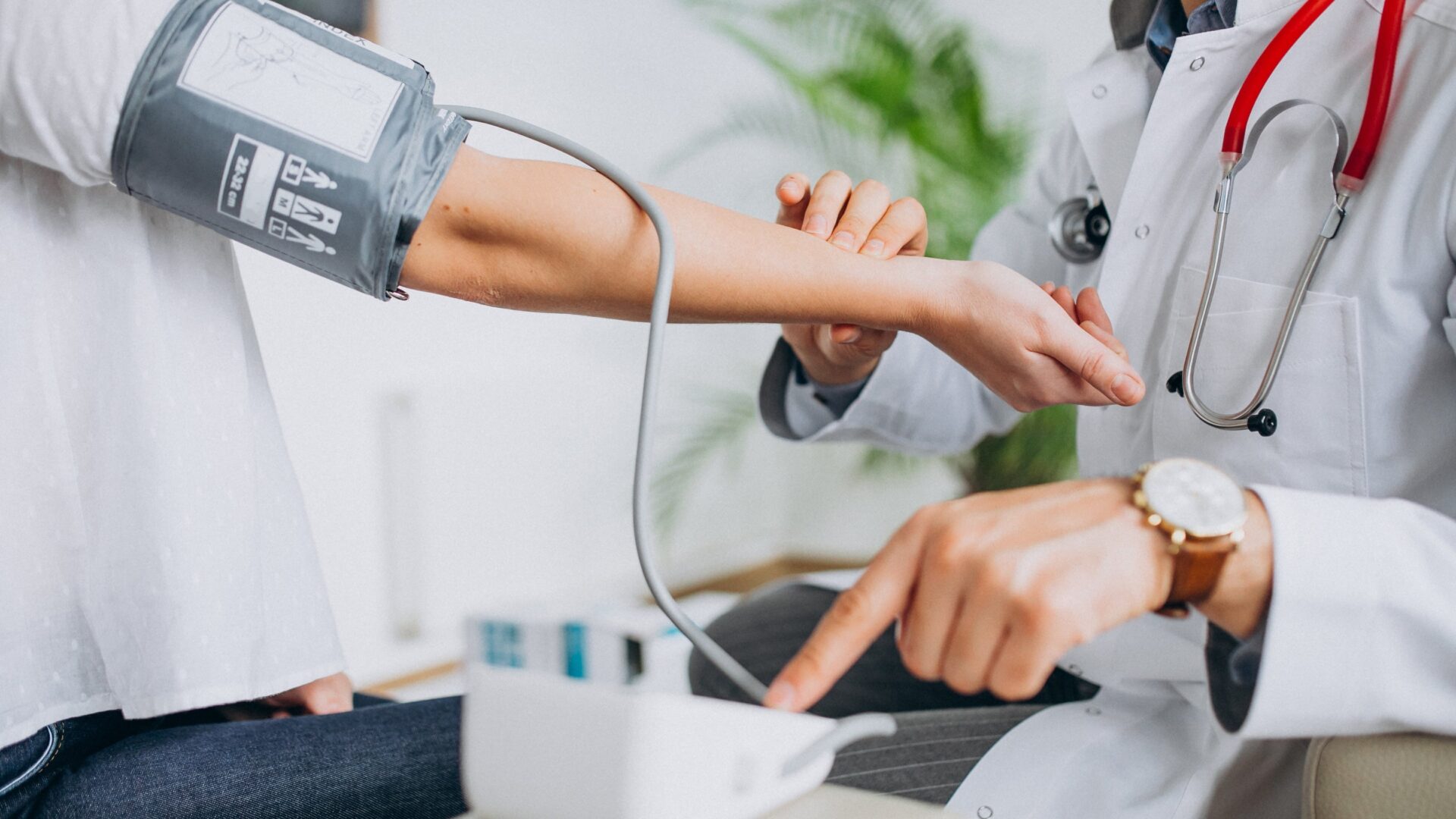
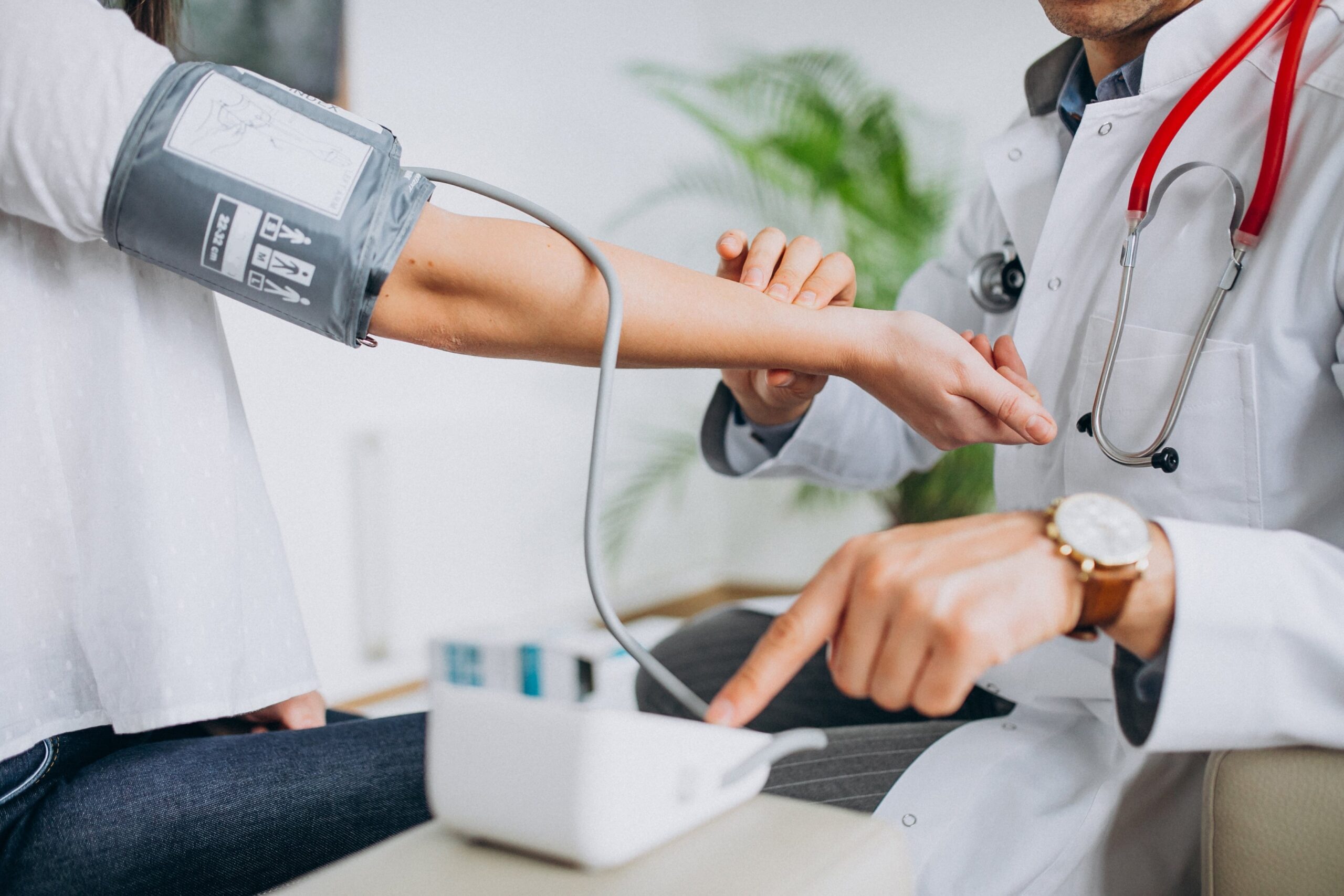
To reassure you (or perhaps disappoint you), this blog isn’t about car MOTs. Because as normal and ingrained as a car’s MOT is, an MOT for your own body is just as unusual. In fact, most people only see a doctor once they already have symptoms. That’s a shame, because a healthy lifestyle can prevent a lot of health issues. More and more people realise that eating well, sleeping and moving enough, having social contact, and managing stress are key pillars of good health. But how do you actually know if you’re doing well? There are several ways to find out.
Food diary
You could, for example, track what you eat for a week using a nutrition tracking app. You can do the same for your sleep and physical activity — just like nutrition, there are guidelines for sleep and movement too. But let’s be honest: even if you stick closely to certain guidelines, that doesn’t directly tell you much about your actual risk of health issues or disease.
Wearables
A second option that can give you more insight, particularly into your physical condition, is wearing a so-called “wearable.” I’ve worn an Apple Watch myself for several years now. It gives me useful feedback on things like my daily activity levels and my sleep. Based on the measurements from my Apple Watch, an estimate is made of my VO2 max and my heart rate variability — two values that give an indication of heart and lung health.
Bioelectrical impedance analysis
A third option is having a bioelectrical impedance analysis done. This measurement determines your body composition. Where BMI only tells you something about the ratio between your weight and height, bioelectrical impedance lets you actually determine the ratio between fat and muscle.
Blood testing
A fourth option is blood testing. Blood can tell you a lot about your current state of health. It also gives you a glimpse into your future health if you continue on the same path. If you’re in your twenties or thirties, you generally don’t feel the need to learn more about your own health risks. But like it or not, your health peaks around age thirty. From then on, it declines faster than it improves — unless you actively maintain it. In that case, you can genuinely influence the natural course of your health in a positive way.
DNA lifestyle testing
During the second year of the coronavirus pandemic, five years ago now, I came across DNA lifestyle testing through an interesting webinar by Richard van Beek (a personal performance therapist). I’ve used the sports concept he owned at the time on a weekly basis ever since. After Richard clarified a few questions I had about DNA testing, I decided to go for it. One of the warnings Richard gave me was that DNA lifestyle testing on its own isn’t all that useful. If you really want to benefit from it, targeted blood testing based on the results of the DNA lifestyle test is just as important. And that only makes sense if you’re also willing to adjust your lifestyle where needed.
Annual blood panel check-up
I’d become genuinely curious about the blueprint of my health stored in my DNA. And I was certainly willing to adjust my lifestyle where needed and monitor my health through blood testing. So I went for it. To this day, I still find my DNA lifestyle test results a remarkably valuable document — I go back to it regularly. Since then, I’ve had an annual check-up (an MOT, if you will) of certain blood values. I keep track of the same blood values every year and log them in a spreadsheet, which makes it easy to spot positive or negative trends quickly.
In short, if you want to grow old fit and healthy, there are several ways to help you get there — and you can spend as much or as little on it as you like.